Calling Time: The Hidden Chess Match That's Deciding NBA Games Before the Final Buzzer
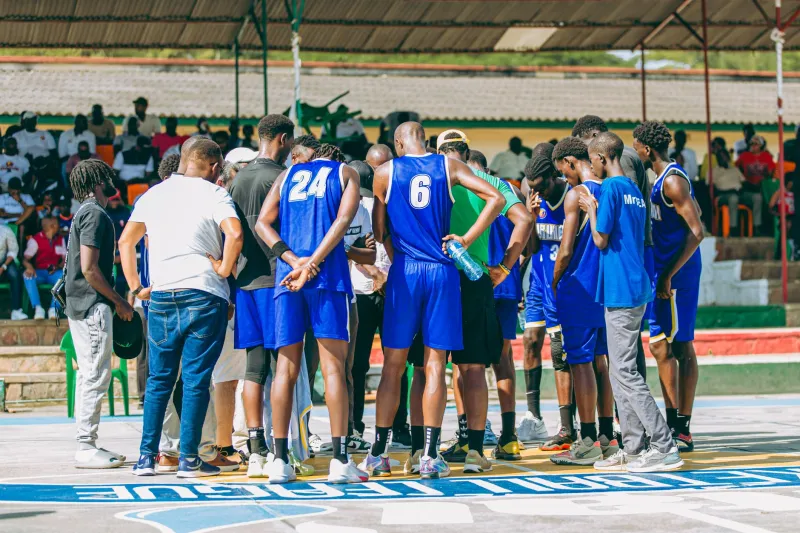
There's a moment in almost every close NBA game — usually somewhere around the two-minute mark of the fourth quarter — where a coach stands up, claps twice, and calls timeout. The crowd settles. The players huddle. A play gets drawn up on a whiteboard. Everyone nods. Then the team comes out of the break, runs the exact play the defense was already expecting, and the possession dies a predictable death.
You've seen it a thousand times. So have the coaches on the other bench.
The timeout is one of the most underrated tools in professional basketball, and frankly, most coaches are wasting it. Not because they don't understand the game, but because the culture around when and why to call time has calcified into something almost reflexive. Teams stop runs. Teams set up plays in crunch time. Teams give tired legs a breather. All of those things are valid — but when every coach in the league is doing the same thing at the same moments, the strategic edge disappears entirely.
So let's talk about what's actually happening out there.
The Predictability Problem
Here's the thing about timeout usage that almost nobody discusses: the when matters as much as the what. NBA coaching staffs spend enormous energy designing plays for out-of-bounds situations and late-clock possessions. But all that preparation gets undermined the second the timeout itself becomes predictable.
Think about it from the defensive coordinator's perspective. If you know — and you do know, because every assistant coach in the league is tracking this data — that a certain head coach always calls timeout after three consecutive opponent points in the fourth quarter, you can start preparing your defensive counter before the whistle even blows. You've already handed the other bench a gift.
Film study backs this up. Certain coaches have timeout tendencies so consistent you could set a watch to them. Momentum-stopper timeouts coming after the third unanswered bucket. Full timeouts burned in the first half to set up plays that could've been drawn up in a 20-second stoppage. Back-to-back timeouts in crunch time that leave teams completely dry when they need one most in overtime.
The pattern isn't random. It's habit. And habit, in playoff basketball, is a vulnerability.
The Coaches Who Actually Get It
Not everyone is guilty of timeout autopilot. A handful of coaches across the league have genuinely elevated timeout deployment into something closer to psychological warfare.
The best in the business understand a concept that sounds simple but is incredibly hard to execute: sometimes the most powerful timeout is the one you don't call. Letting a struggling opponent work through a rough stretch without giving them a breather. Forcing a hot-shooting team to stay in the moment rather than letting their bench celebrate and refocus. Denying a young star the reset that could've stopped a confidence spiral — that's coaching at its highest level.
Gregg Popovich built a dynasty partly on this philosophy. Erik Spoelstra has shown it repeatedly in Miami, trusting his system and his players to solve problems in real time rather than constantly interrupting the flow. When those coaches do call timeout, the whole gym feels it differently. There's weight to it. Their players know something specific is coming because it doesn't happen constantly.
Contrast that with coaches who treat timeouts like a nervous habit — something to do when the game feels uncomfortable. Those stoppages rarely produce the desired result because everyone on the floor, including the players supposed to be energized by them, can sense that the call came from anxiety rather than strategy.
What the Data Is Telling Us
Advanced analytics have started creeping into timeout analysis, and the early findings are genuinely fascinating for anyone who loves digging into how basketball really works.
One pattern that keeps emerging: teams that hoard timeouts into the fourth quarter — keeping three or more available with five minutes left — tend to have better late-game performance metrics than teams that've burned most of their allotment by halftime. That sounds obvious, right? Save your timeouts for crunch time. But the data also shows something counterintuitive: using a timeout immediately after a made basket by the opponent — rather than waiting for the third or fourth consecutive score — is actually more effective at disrupting momentum than the traditional "stop the run" approach.
Why? Because you're not giving the opponent the satisfaction of a completed run. You're cutting off the energy before it compounds. It's proactive rather than reactive, and the psychological difference for both teams is measurable in shot quality on the subsequent possessions.
There's also compelling evidence around second-half timeout distribution in playoff games specifically. Teams that use their timeouts more evenly across the third and fourth quarters — rather than hoarding everything for the final two minutes — show better sustained offensive execution down the stretch. The theory is that mid-third-quarter timeouts allow coaches to make adjustments before problems become habits, rather than scrambling to fix everything in the final minutes when the pressure is maxed out.
The Playoff Amplifier
Everything gets louder in the playoffs. Mistakes that cost two points in January can cost a series in May. And nowhere is that amplification more brutal than in timeout management.
Playoff opponents are better prepared. Their scouts have catalogued your tendencies. Their coaches know your favorite fourth-quarter sets. So if you've spent the regular season calling timeouts on autopilot, you've essentially been handing out a free scouting report for 82 games.
This is where the gap between good regular-season coaches and great playoff coaches really opens up. The ability to vary timeout timing, use stoppages to disrupt rather than just regroup, and — crucially — trust your team enough to not call time when every instinct is screaming at you to do it, separates the coaches who win rounds from the ones who get bounced.
Look back at some of the most memorable late-game collapses in recent playoff history. In almost every case, timeout decisions played a role. A team burned their last one too early. A coach called time when his team had momentum, inadvertently giving the opponent a chance to set their defense. Or a bench ran out of bullets in overtime because they'd been too liberal with stoppages in regulation.
These aren't random. They're patterns.
What Fans Should Watch For
Next time you're locked into a tight game — whether you're at the arena or screaming at your TV — pay attention to the timeout chess match happening on the sidelines. Watch when coaches call time, not just what plays come out of the huddle.
Is the coach calling timeout because the team needs a specific adjustment, or because the coach is uncomfortable? Is the stoppage coming before a run develops or after it's already built momentum? How many timeouts does each team have left with four minutes to go, and how does that inventory shape the way both benches are making decisions?
Once you start watching timeouts this way, you'll never see a late-game stoppage the same again. It's one of the purest windows into how a coach actually thinks under pressure — and whether they're playing chess or just reacting to the board.
The teams that go deep in June aren't always the most talented. Sometimes they're just the ones whose coach figured out that a timeout saved is worth more than a timeout burned. That's the kind of edge that doesn't show up in the box score — but it absolutely shows up in the standings.